Circulating Blood Volume:
Maximum Allowable Blood Loss
Allowable Blood Loss:
-
Note: Range spans from the Bourke equation (simplified, conservative) to the Gross equation (assumes perfect isovolaemic haemodilution). This is a guide for controlled, steady blood loss with fluid replacement. In rapid or massive haemorrhage, clinical triggers and local protocols always supersede calculated limits.
AoA QRH Guidelines
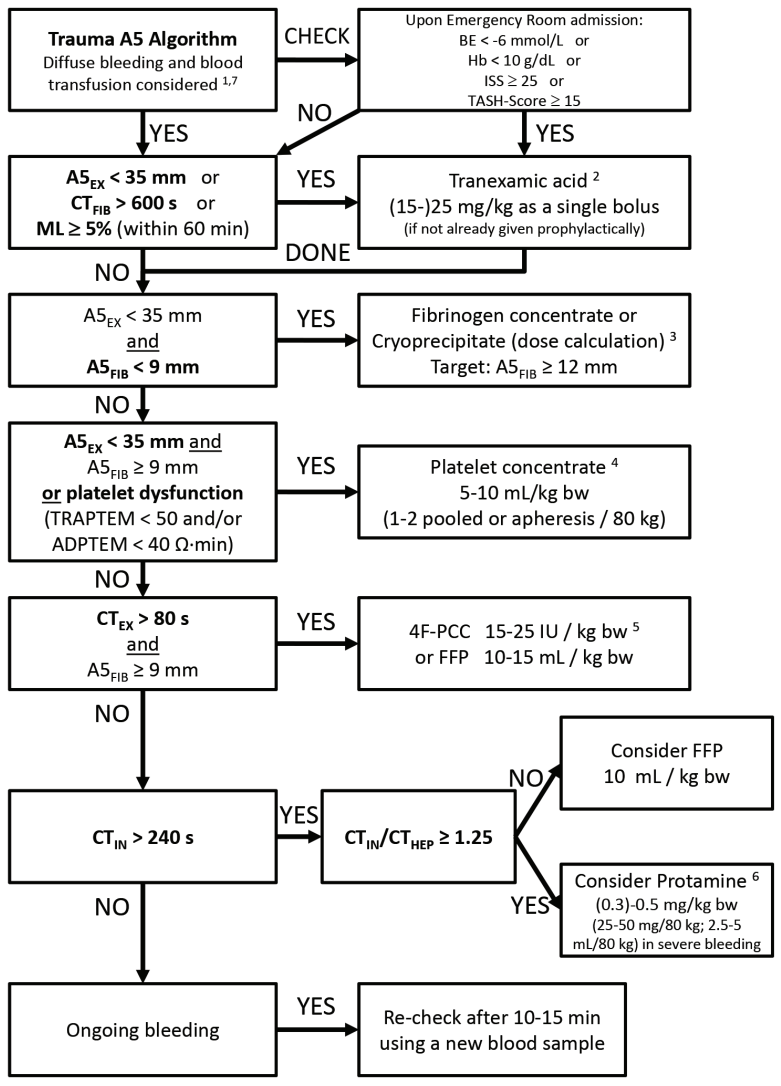
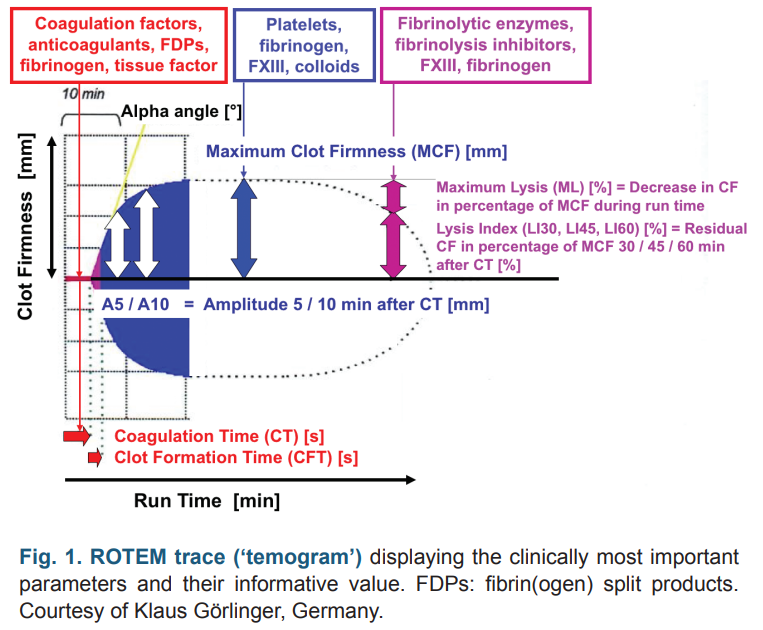
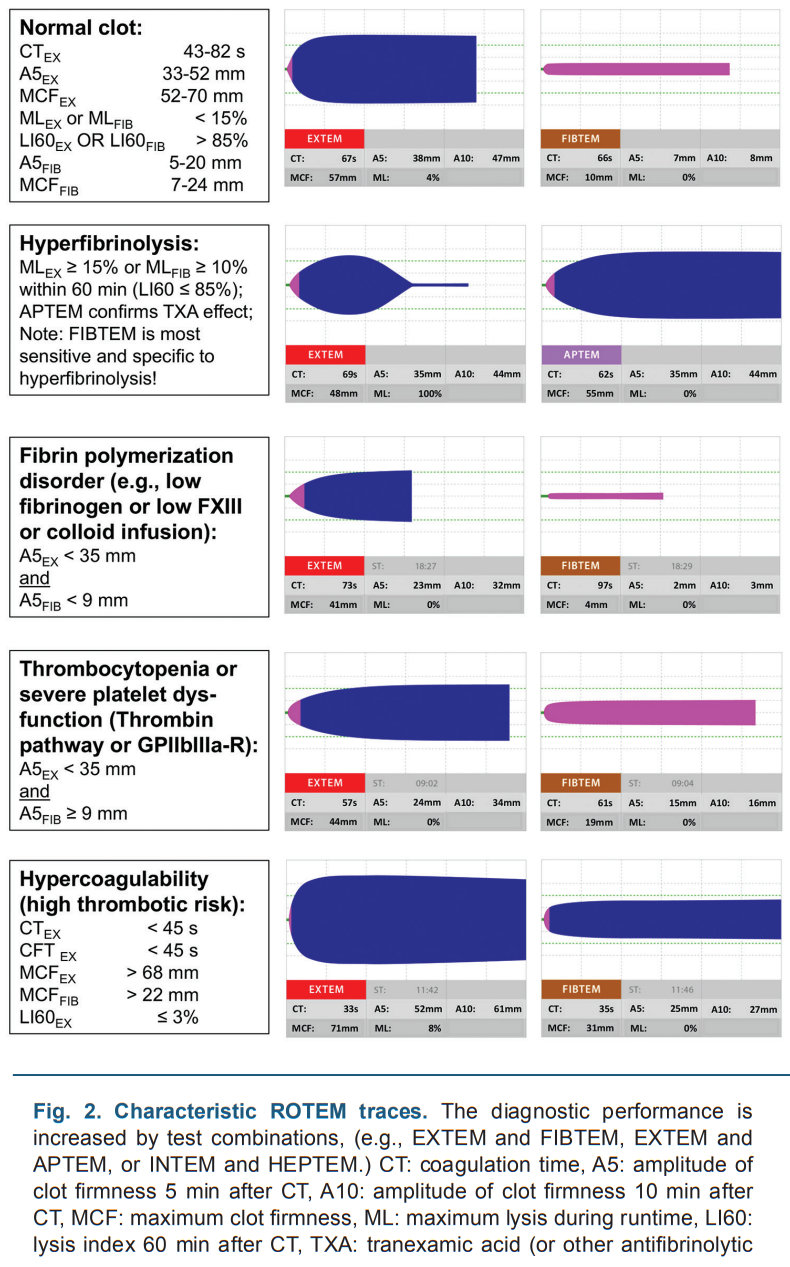
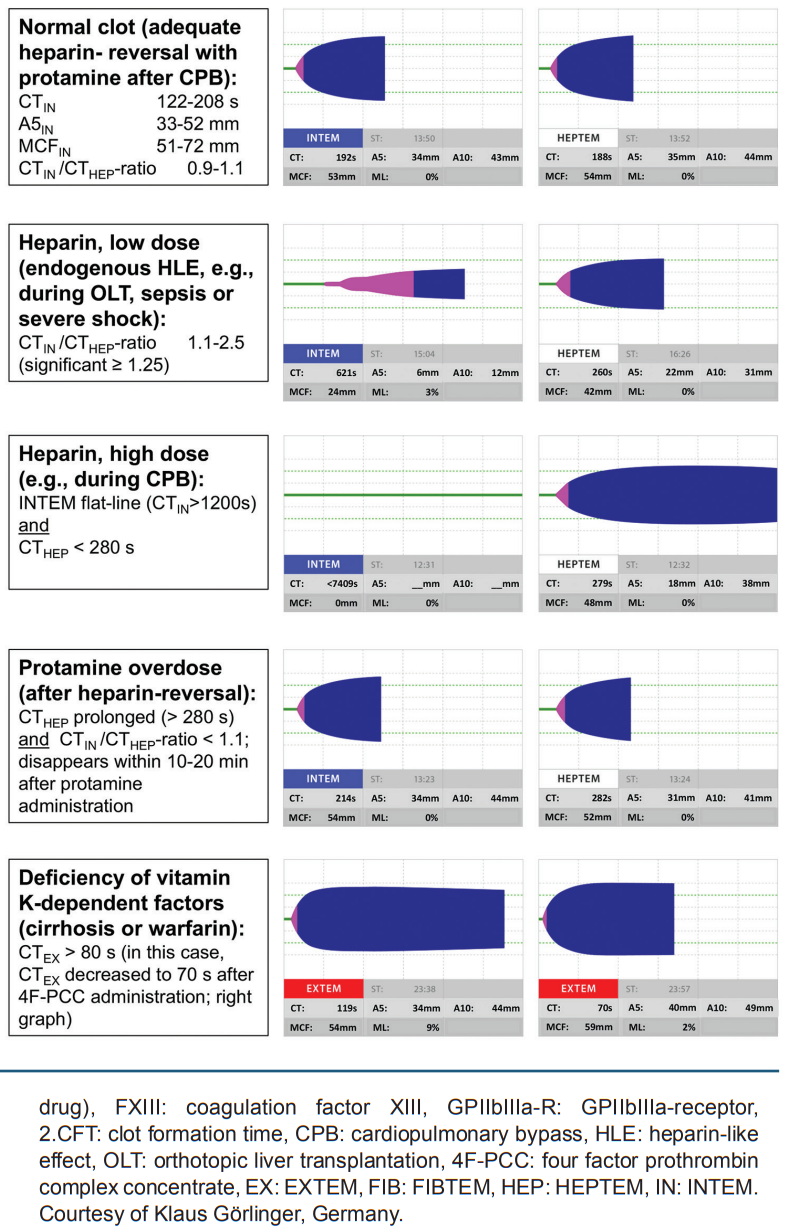
Massive Blood Loss
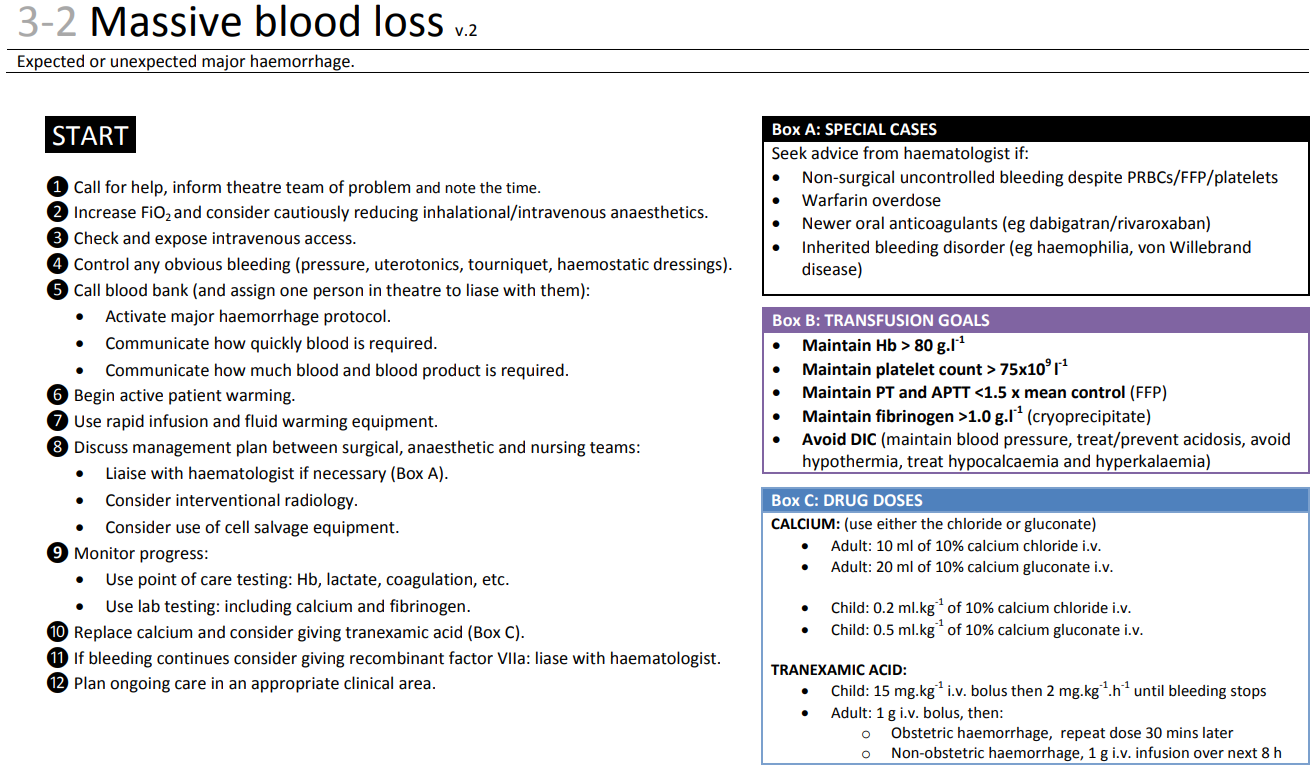
Tap image to enlarge in a new window.
Classification of Haemorrhagic Shock (ATLS)
| Class | % | Blood loss | Clinical signs |
|---|---|---|---|
| I | 5 | - | HR <100. Normal BP & RR. Slight anxiety. |
| 10 | - | ||
| II | 15 | - | HR 100–120. Pulse pressure narrowed. Tachypnoea, mild anxiety. |
| 20 | - | ||
| 25 | - | ||
| III | 30 | - | HR 120–140. Hypotension. Anxious, confused, oliguria. |
| 35 | - | ||
| IV | 40 | - | HR >140. Profound hypotension. Lethargic / confused, anuria. |
| 45 | - | ||
| >50 | - |